

The Protein Myth
Why it’s harming kids’ eating habits (and driving moms crazy)

Last fall, The Cut came out with a think piece about how much protein toddlers really need. It quickly made the rounds among both Chomps-toting moms and vegetarian skeptics, who finally felt vindicated in their dietary choices.
If you can’t already tell (I wrote a cookbook called CARBIVORE, after all), I skew more towards the latter camp. Which is not to say I have been immune to the protein frenzy that has permeated the wellness zeitgeist, and by extension, filtered down to our shared anxieties about our kids’ diets.
Early on, when my daughter rejected scrambled eggs and didn’t seem all that interested in the amount of chewing involved in a piece of chicken, I googled what the protein quota should be for a 20-pound munchkin who was new-ish to solid foods.
The answer was the same as reported in the article above: 13 grams a day, for kids between the ages of 1 and 3.
It’s not that much at all.
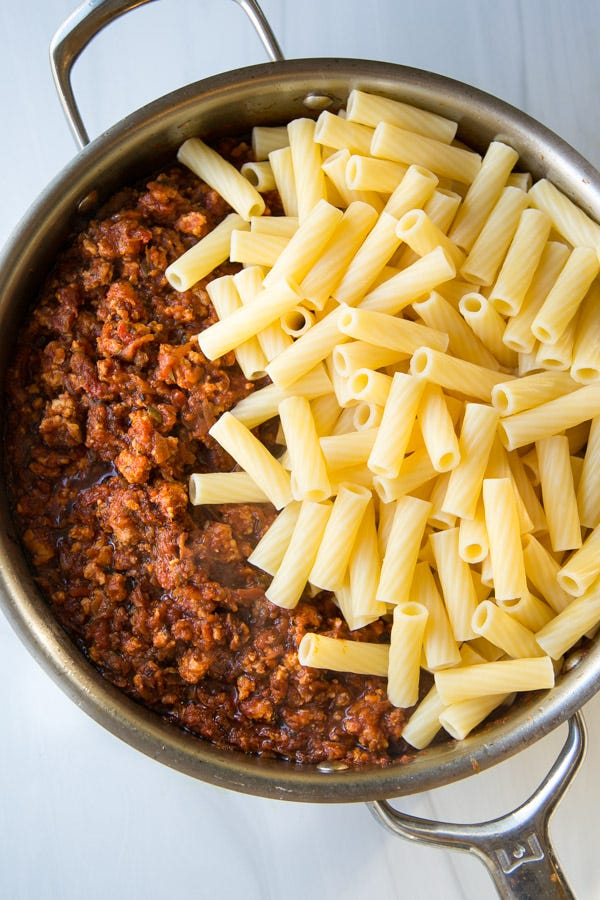
13 grams is the equivalent of two eggs or two cups of pasta. Or, if you’re making my “high protein” Mac and Cheese—which is really a marketing spin on a classic carbonara (lol)—one egg and one cup of pasta.
So why are we shoving meat sticks and string cheeses in lunchboxes instead of crackers and pretzels? Why are some moms making pizza crust with ground meat and sneaking protein powder into their kids’ muffins, and feeling superior for it?
There are many layers to the protein myth that I will get into below.
The first is that many people don’t believe in standard nutrition recommendations anymore. Since the MAHA movement co-opted much of the “alternative health” lane, there has been a lot of distrust woven into any advice that is seen as mainstream, meaning coming from the Western medicine industrial complex.
I’ve been writing about integrative health for over a decade, ever since my autoimmune diagnosis led to my own wellness “renaissance” in my late twenties (you can read more about it in this book). My research has left me with a healthy dose of trust and skepticism alike for what kind of guidance nutrition science can offer us, and where common sense and ancient wisdom have to fill in the gaps.
That said, with the rise of talking heads on the internet discussing nutrition, we’ve only become more misinformed, especially when it comes to macronutrients. And when it comes to protein, the narrative has gotten out of hand (both for adults and kids alike).
The resounding myth is that protein is the only thing that can keep your kids energized all day. It is the only nutrient that will fill them up and prevent a post-nap hanger meltdown. Pasta is an empty “simple” carb. Sugar is poison.
You get the message, because likely you’ve heard it over and over—and will ad nauseam during this next new year, new you January cycle.
So let’s unpack some of the statements I just made, pull out some nutrition receipts, and correct the narrative about how you really should be weighing protein, carbs and fat in your kids’ meals.
Protein is a bad answer to a good question.Somewhere along the way—probably when we started making toddler-sized shakes designed for body builders—we lost the plot on protein.
Like my approach to sugar, the advice for kids is not always the same as for adults, so perhaps we can begin this resolution season by trying our very best not to inflict our own radicalized, extreme thought process on the small bodies seated at our tables.
Because if I had to point a finger at the most harmful part of the protein myth, it would be what it teaches kids about enjoying a meal in the first place.
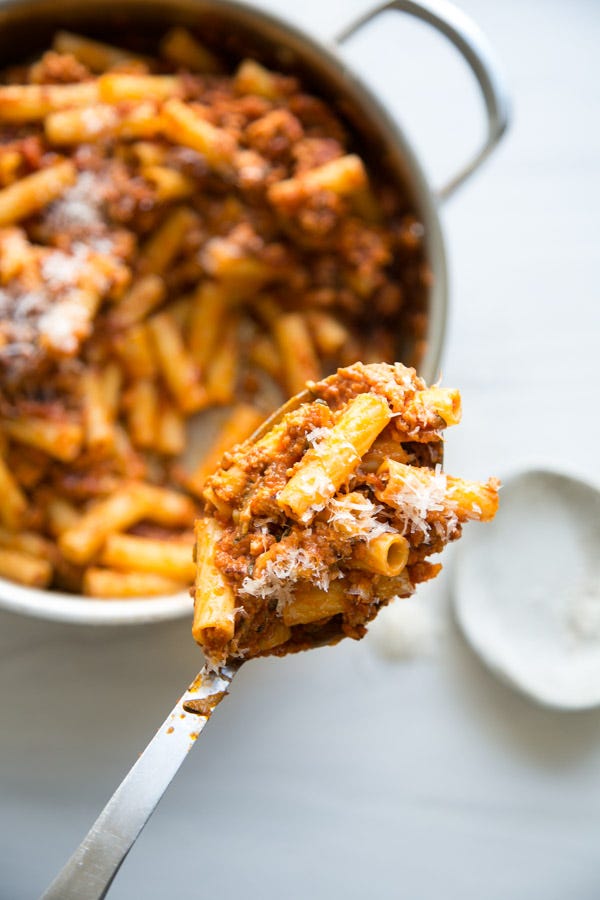
Unpacking 3 myths about protein
1. Protein is the only thing that keeps your kids energized all day, fills them up, and keeps hunger at bay.
Here’s the primary difference between kids and adults: adults spend the majority of their day sitting in an array of locations—from car, to desk, to couch. Kids, on the other hand, barely sit still (let alone in a chair at all). And yes, this is true no matter what protein to sugar ratio applies to their diet. They are quite simply…children.
And yet instead of applying the healthier aspects of their lifestyle to our own (movement), we try to apply our dietary solutions for our sedentary behavior to them. Enter: low carb for toddlers.
Keep reading with a 7-day free trial
Subscribe to Munch Menus to keep reading this post and get 7 days of free access to the full post archives.